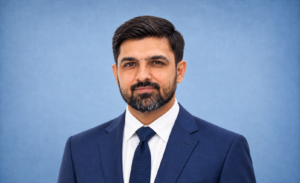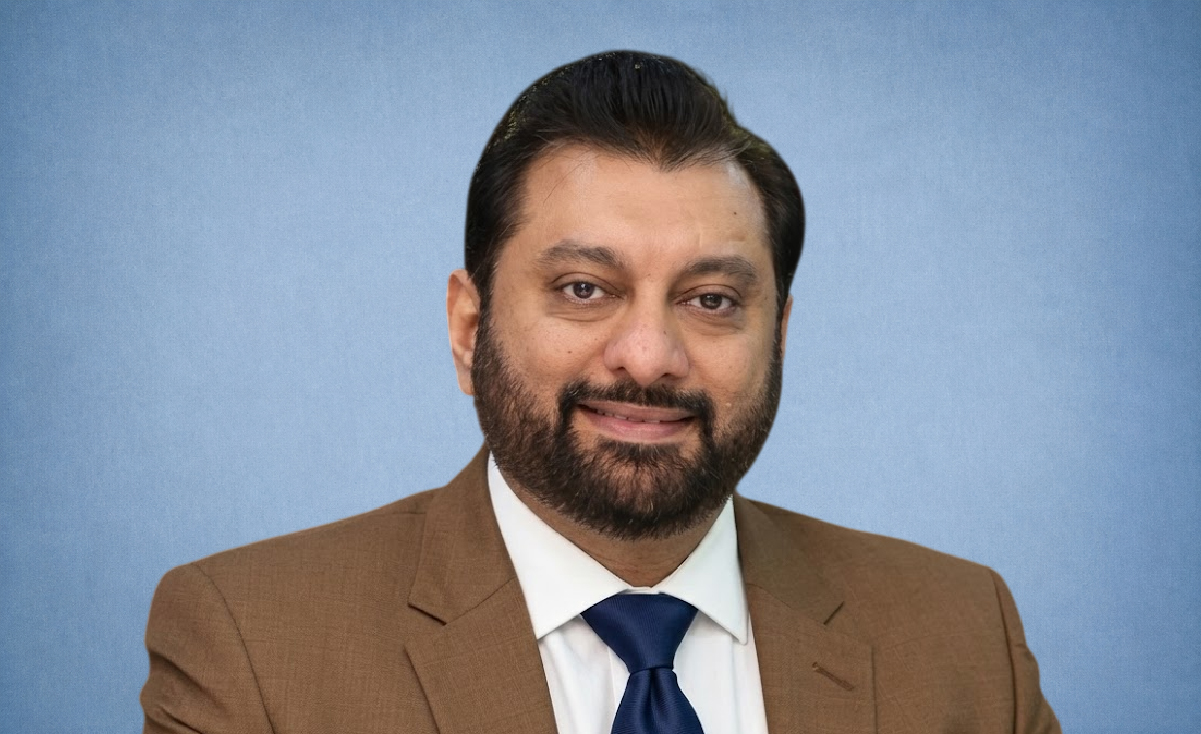
At a time when Pakistan’s startup narrative is rapidly evolving, OZI Group presents a distinctive approach to entrepreneurship by building ventures through systems, discipline, and long-term value creation. In this conversation, Usman Sheikh shares the philosophy, structure, and vision behind creating an innovation-led ecosystem with global ambitions.
Boardroom: To begin with, what is the foundational idea behind your organisation, and what does the name represent?
Usman Sheikh: The foundation of the organisation is deeply rooted in an entrepreneurial mindset. From the outset, the ambition was not merely to build a company but to create a system that enables multiple ventures to emerge and scale under one umbrella.
The name itself reflects this philosophy. It combines the idea of global reach, represented by the concept of the world, with the notion of an additional dimension, symbolized by the z-axis. This dimension signifies innovation, the ability to move beyond conventional frameworks. At its core, the name embodies a commitment to creating impact through innovation at a global scale.
The inspiration for this approach was shaped through practical exposure, particularly by observing advanced markets such as China, where manufacturing ecosystems evolved into technology-driven economies. This reinforced the belief that structured systems, rather than isolated efforts, drive sustained growth.
Boardroom: You describe your organisation not as a traditional startup but as an incubator. How do you define this model within the context of Pakistan?
Usman Sheikh: The model is fundamentally different from conventional incubators. Rather than supporting external startups, the focus is on building an internal ecosystem of ventures. Each initiative operates as a standalone business but is supported by a shared infrastructure, strategic direction, and resource pool.
The underlying premise is that Pakistan has a significant opportunity to participate in the global digital economy through export-led services. With minimal infrastructure, such as a laptop and internet connectivity, individuals can create products for international markets, particularly in areas like mobile applications and gaming.
This model emphasizes self-sustaining growth. Instead of relying heavily on external funding, ventures are encouraged to generate revenue early and reinvest it into expansion. This creates a bootstrap-driven ecosystem where financial discipline and operational efficiency are central.
Boardroom: What challenges do you see in the current startup ecosystem, particularly in terms of funding and scalability?
Usman Sheikh: Access to capital remains one of the most significant challenges. While there has been progress through institutional initiatives and incubators, the availability of structured funding for scaling remains limited. Many startups struggle to transition from early-stage development to growth due to financial constraints and lack of strategic guidance. There is often an over-reliance on external investment without sufficient emphasis on building sustainable revenue models. In this context, our approach prioritizes financial independence through early monetisation. By creating ventures that can generate revenue from the outset, we reduce dependency on uncertain funding cycles and build resilience within the ecosystem.
Boardroom: How do you structure partnerships and growth within your ecosystem?
Usman Sheikh: Partnerships are central to our growth strategy, particularly in the context of global expansion. We collaborate with entrepreneurs across different markets, aligning on shared vision and long-term objectives. A critical aspect of partnership is alignment in mindset. It is not merely about financial collaboration but about building a shared vision. Partners must be committed to long-term value creation rather than short-term gains.
The growth model is disciplined and structured. Revenue generated is strategically allocated, with a strong emphasis on reinvestment. A significant portion of earnings is channeled back into the business to fuel expansion, while maintaining sufficient reserves to ensure stability. This approach enables consistent scaling while preserving financial control and strategic direction.
Boardroom: What guiding principles define your approach to entrepreneurship and business building?
Usman Sheikh: One of the most important principles is delayed gratification. Building a sustainable business requires patience and the ability to prioritise long-term outcomes over immediate returns. Another key principle is value creation. While revenue generation is essential, it must be supported by genuine value addition. Businesses that focus solely on short-term financial gains often lack the foundation required for sustained growth.
Vision plays a central role in this framework. Short-term objectives may revolve around revenue, medium-term goals focus on value creation, but long-term success is driven by a clear and compelling vision. Without this, growth becomes inconsistent and directionless.
Consistency and discipline in execution are equally important. A structured system for generating and managing revenue ensures that growth is not only achievable but sustainable over time.
Boardroom: How do you view Pakistan’s potential in the global technology landscape?
Usman Sheikh: Pakistan holds significant potential, particularly in sectors such as gaming, artificial intelligence, and emerging technologies. The country already demonstrates strong capability in digital services and is gradually positioning itself within the global technology ecosystem. With the right combination of talent development, strategic direction, and ecosystem support, Pakistan can compete with established markets such as Vietnam and Turkey. The opportunity lies in leveraging local talent to create globally relevant products and services. However, realizing this potential requires a shift in mindset from short-term gains to long-term value creation, supported by structured systems and consistent execution.
Boardroom: What is your long-term vision for the organisation?
Usman Sheikh: The long-term vision is to build a globally competitive ecosystem of ventures that operate across multiple industries while maintaining a unified strategic direction. The aim is not just to create individual successful companies but to establish a scalable model that can continuously generate new ventures, foster innovation, and contribute to economic growth. Ultimately, the goal is to position the organisation as a platform that empowers entrepreneurs, drives global expansion, and creates sustainable value at scale.