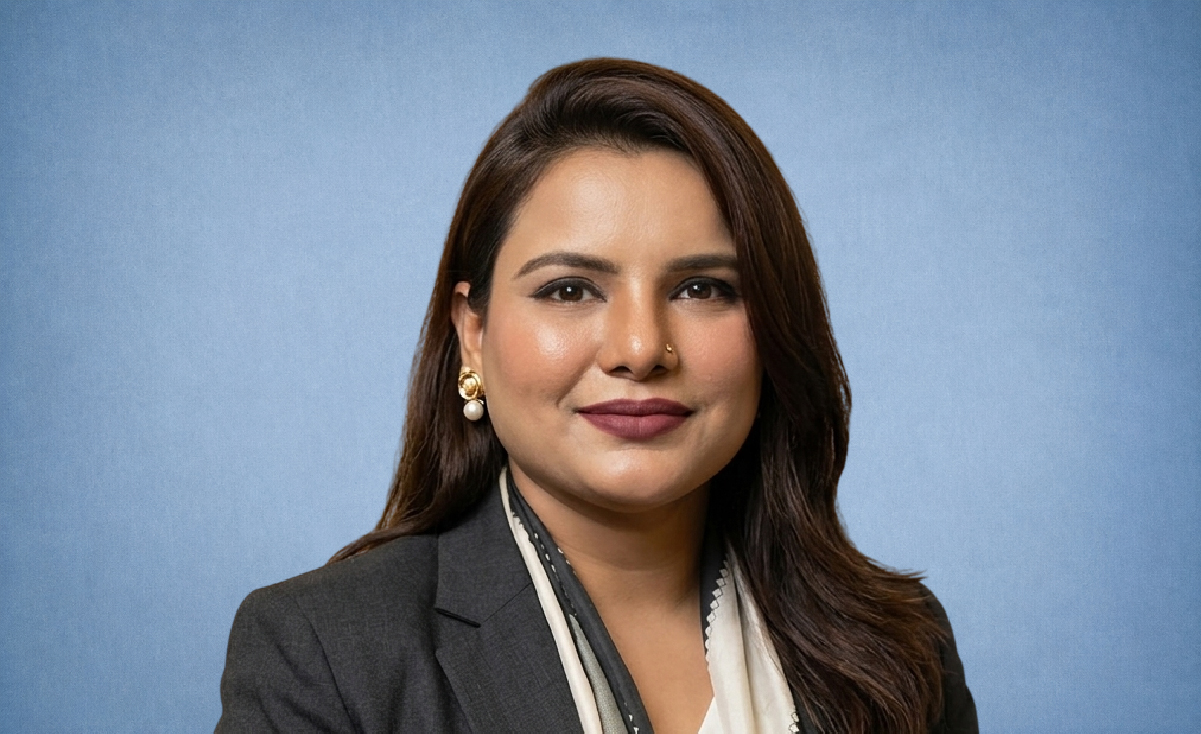
In an age of mass production, handcrafted creations continue to hold a unique emotional appeal. In this conversation, Shehla shares how KnittPurl is preserving the art of handmade craftsmanship through personalization, thoughtful design, and meaningful gifting, proving that authenticity, creativity, and human connection remain timeless values.
Boardroom: What inspired the idea behind KnittPurl, and how did the journey begin?
Shehla: KnittPurl began with a simple yet meaningful passion for handmade creativity. The inspiration came from the belief that handcrafted products carry emotions and warmth that machines cannot replicate. In an increasingly fast-paced and automated world, we wanted to create something more personal and emotionally meaningful products that people could genuinely connect with rather than simply consume. What started as a creative passion gradually evolved into a brand centered around craftsmanship, comfort, personalization, and emotional value. For us, KnittPurl is not merely about selling products; it is about creating experiences that feel thoughtful and memorable.
Boardroom: In a world dominated by fast fashion and mass production, how do handmade products remain relevant?
Shehla: Handmade products stand for authenticity, originality, and emotional connection.
Fast fashion prioritizes speed and volume, whereas handmade craftsmanship values patience, care, and individuality. Every handcrafted piece reflects time, effort, and attention to detail, making it inherently unique. Today’s consumers are increasingly seeking meaningful purchases rather than disposable consumption. They appreciate products that feel personal and distinctive, particularly when those products are tied to emotions, gifting, or memorable experiences. That shift in consumer preference creates a natural space for handmade brands to thrive.
Boardroom: What differentiates KnittPurl from other handmade or gifting brands?
Shehla: Customization lies at the heart of our brand identity. Unlike mass-produced products that prioritize uniformity, our pieces are crafted with personal attention and creative flexibility. Customers are not simply purchasing a product; they are participating in the creation process. Whether it is customized flowers, handcrafted décor, or personalized gifts, every piece is designed with individual preferences in mind. This makes our offerings more meaningful because they reflect the personality and emotional intention of the buyer.
Our philosophy is to blend modern aesthetics with handmade artistry in a way that feels both contemporary and deeply personal.
Boardroom: How important is emotional value in your products?
Shehla: Emotional value is perhaps the strongest element of our work. People often purchase handmade products for occasions holding personal significance like birthdays, anniversaries, celebrations, or meaningful milestones. These purchases are rarely transactional; they are emotional decisions. A handmade gift communicates care, effort, and thoughtfulness in ways that mass-produced alternatives often cannot. Our customers value longevity, emotional connection, and the idea that a product has been crafted specifically for someone rather than manufactured generically. This emotional layer transforms an ordinary purchase into a memorable experience.
Boardroom: How do trends and commercial demand influence your product strategy?
Shehla: Creativity is important, but understanding customer demand is equally critical. We pay close attention to gifting trends, seasonal demand, and cultural occasions such as Mother’s Day and other celebrations where personalized products naturally gain traction. At the same time, we balance trends with originality. While we remain responsive to market demand, we avoid compromising the handcrafted essence of the brand. The challenge lies in maintaining uniqueness while remaining commercially relevant. It is about finding the right balance between creativity and market demand.
Boardroom: What role does digital media play in growing your business?
Shehla: Digital platforms have been instrumental in helping us build visibility and customer engagement. Currently, social media platforms such as Facebook and Instagram serve as our primary channels for showcasing products, interacting with customers, and receiving customized orders. Visual storytelling plays an especially important role in the handmade business because customers want to see the craftsmanship and uniqueness behind each piece. As the brand grows, we are also exploring broader digital opportunities, including websites and newer platforms to strengthen our reach.
Boardroom: What are some of the biggest challenges in scaling a handmade business?
Shehla: Scaling a handmade business comes with unique operational challenges. Unlike machine-produced goods, handmade products require precision, attention to detail, and craftsmanship. Managing bulk orders while maintaining consistent quality can become particularly demanding. Each product may involve customization, variations in size, design modifications, or unique detailing, making standardization difficult. The challenge is ensuring that growth does not compromise quality or the personal touch that defines the brand. For us, preserving craftsmanship while scaling responsibly remains a top priority.
Boardroom: How do you maintain quality when handling multiple or bulk orders?
Shehla: Quality control is essential because every product represents the brand’s credibility. When handling larger volumes, maintaining consistency in detailing, dimensions, and finishing becomes more complex. Since handmade products naturally involve a high degree of personalization, each item requires close attention. We continuously focus on refining processes, team coordination, and craftsmanship standards to ensure that every product reflects the same level of care, regardless of order size. Consistency in handmade work is not easy, but it is essential.
Boardroom: What has entrepreneurship taught you through this journey?
Shehla: Entrepreneurship has taught us patience, adaptability, and resilience. Every stage of building a creative business presents new lessons, whether related to customer expectations, operational management, or market positioning. Challenges are inevitable, but they often push us to innovate and improve. Most importantly, we have learned that authenticity matters. Customers value sincerity, and when a product genuinely reflects care and creativity, it creates trust and loyalty.
Boardroom: How do you envision the future of KnittPurl?
Shehla: Our vision is to establish KnittPurl as a trusted and emotionally resonant and made brand known for creativity, personalization, and quality. We aim to continue expanding our product range while preserving the craftsmanship and individuality that define our identity. At the same time, we want to strengthen our digital presence and explore broader market opportunities. Most importantly, we want Knitt Purl to remain a brand that people associate with emotions, memories, and meaningful gifting experiences.
Boardroom: What larger message would you like customers to take away from KnittPurl?
Shehla: We want people to rediscover the beauty of thoughtful craftsmanship. In a world increasingly shaped by automation and instant consumption, handmade products remind us that care, patience, and emotion still matter. Every handmade piece carries a story, effort, and intention. For us, success is not simply about sales; it is about creating products that become part of someone’s meaningful moments and lasting memories.