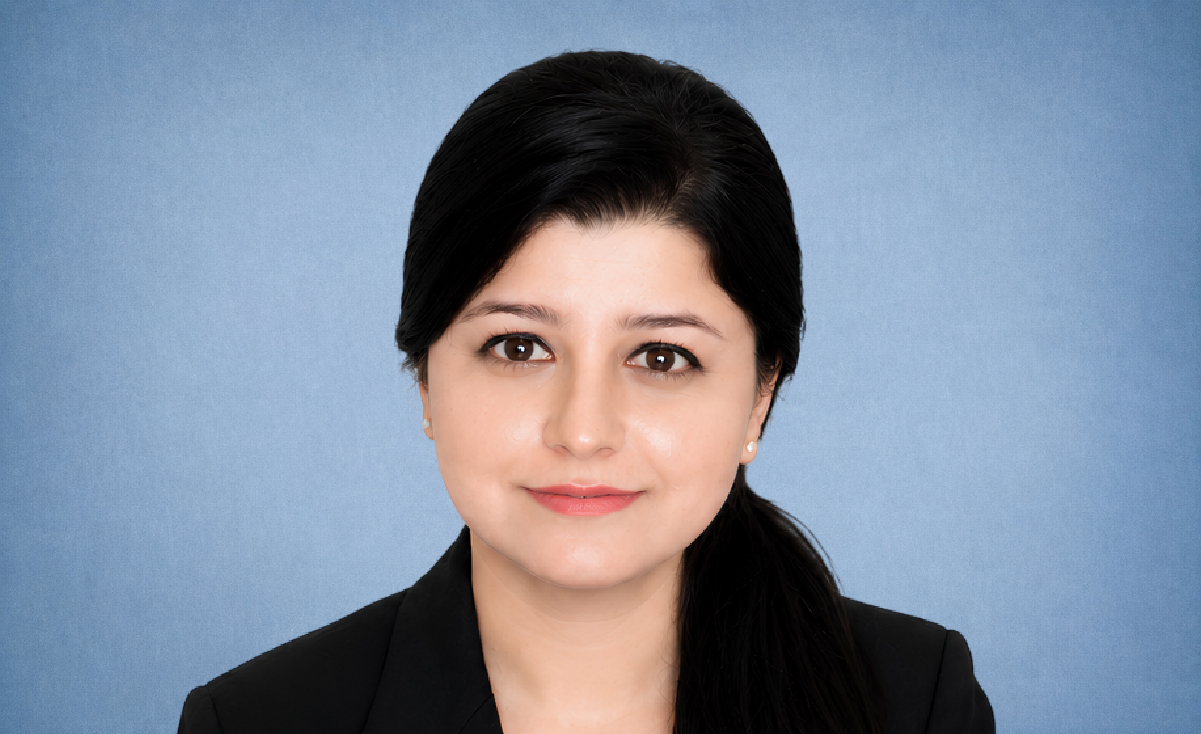
As education shifts toward personalized learning, understanding a child’s unique strengths has become more important than ever. In this conversation, Dr. Saima Younis shares how Little Compass is helping families and educators identify individual potential early, fostering meaningful educational journeys and more fulfilling career pathways through thoughtful guidance.
Boardroom: What personal experience inspired the creation of Little Compass, and what gap are you trying to solve?
Dr Saima: Little Compass emerged from years of observing one recurring challenge: people often pursue careers that do not align with who they truly are. My journey began in education. As a teacher, researcher, and later as an academic, I spent more than a decade working closely with students across different stages of learning. During this time, I encountered countless individuals who were academically successful but professionally disconnected from their interests, strengths, and natural abilities. That observation led me to ask a deeper question: what if career guidance began much earlier and focused less on external expectations and more on discovering individual potential? Little Compass was created to help children and families identify strengths, interests, and natural tendencies earlier in life so individuals can build more fulfilling educational and professional journeys.
Boardroom: Why do you believe career alignment should begin much earlier than conventional career counseling?
Dr Saima: Because identity and inclination do not suddenly appear at university age. Research consistently highlights that early childhood plays a critical role in shaping cognitive and behavioral development. Children often reveal meaningful signals through curiosity, preferences, energy patterns, communication styles, and creative expression. Unfortunately, these signals are frequently overlooked because traditional education systems tend to prioritize standardized achievement over individual discovery. We believe career alignment is not a late-stage decision. It is a gradual process of understanding who a child naturally is.
Boardroom: How did your own journey shape this philosophy?
Dr Saima: Looking back, I now recognize many indicators in my own life that I did not fully understand at the time. I was naturally drawn toward visual thinking, storytelling, creativity, and structured ideas. I also had strong interests in technology and problem-solving but circumstances influenced my eventual path differently. Those experiences taught me an important lesson: people often carry signals of their strengths much earlier than they realize. The challenge is not the absence of potential. The challenge is recognizing it early enough.
Boardroom: How does Little Compass differ from traditional career guidance approaches?
Dr Saima: Traditional career guidance often works retrospectively. Students usually receive advice at later stages through one-time assessments, aptitude tests, or standardized recommendations. These methods capture only a moment in time. Little Compass takes a more longitudinal and observation-based approach. Instead of snapshots, we focus on patterns. We encourage structured observation over time, paying attention to how children interact with tasks, environments, challenges, and experiences. The objective is not to assign careers but to understand emerging strengths.
Boardroom: What indicators do you believe reveal a child’s natural potential?
Dr Saima: Potential often appears in subtle ways. One indicator is energy; observing what activities naturally excite and engage a child. Another is repeated behavior. Children often return to interests that align with their intrinsic motivation without external pressure. The third is expression; how they solve problems, communicate, create, and interact with the world around them. These signals become more meaningful when observed consistently rather than interpreted in isolation.
Boardroom: How do personality and behavioral differences influence educational pathways?
Dr Saima: Every child learns differently. Some children thrive in highly social and expressive environments while others excel through reflection, observation, or independent exploration. Similarly, children with different learning profiles and behavioral characteristics often require different pathways and support systems. Our philosophy is not to label children but to better understand how they naturally engage with learning and growth. Education becomes more effective when it adapts to individuals rather than forcing individuals to adapt to rigid systems.
Boardroom: Trust appears central to your concept. How do you plan to build credibility among parents and educators?
Dr Saima: Trust can only be built through process and transparency. Little Compass does not claim to predict a child’s future. Instead, it aims to create a structured system that helps parents and educators notice meaningful patterns over time. The goal is not to replace parental understanding or educational expertise but to support them with better observation and insight. Ultimately, families should feel empowered rather than directed.
Boardroom: How do you see technology influencing the future of education and career discovery?
Dr Saima: Technology is creating opportunities for greater personalization. We are already witnessing transformations in healthcare through personalized medicine, and education may move in a similar direction. Instead of standardized learning experiences, future education systems will increasingly become more adaptive, individualized, and responsive. Technology and artificial intelligence can support this transition by helping educators understand learners more effectively and create experiences that align with individual strengths.
Boardroom: What role do parents and educators play in your vision?
Dr Saima: Parents and educators are essential. Children do not develop in isolation. The environments they grow up in shape how their strengths emerge and evolve. Our intention is to create tools and frameworks that help adults better understand and support children instead of making assumptions based solely on grades or conventional definitions of success. Discovery is only the first step. Nurturing potential is equally important.
Boardroom: How do you envision Little Compass evolving over time?
Dr Saima: Little Compass is the starting point of a much broader vision. The first objective is helping children and families discover natural strengths and areas of alignment. Over time, we want to expand toward enabling parents and educators with insights, tools, and pathways that help nurture those identified strengths more intentionally. The long-term ambition is to contribute toward a future where education becomes more personalized and human-centered.
Boardroom: What larger message would you like Little Compass to represent?
Dr Saima: We want Little Compass to represent possibility. Every child carries unique strengths, gifts, and ways of understanding the world. The challenge is creating environments that allow those qualities to emerge. Success should not mean fitting into predefined paths. It should mean understanding who you are and building a life that reflects that understanding. If we can help more individuals discover their authentic direction earlier, we believe we can contribute to more meaningful and fulfilling lives.