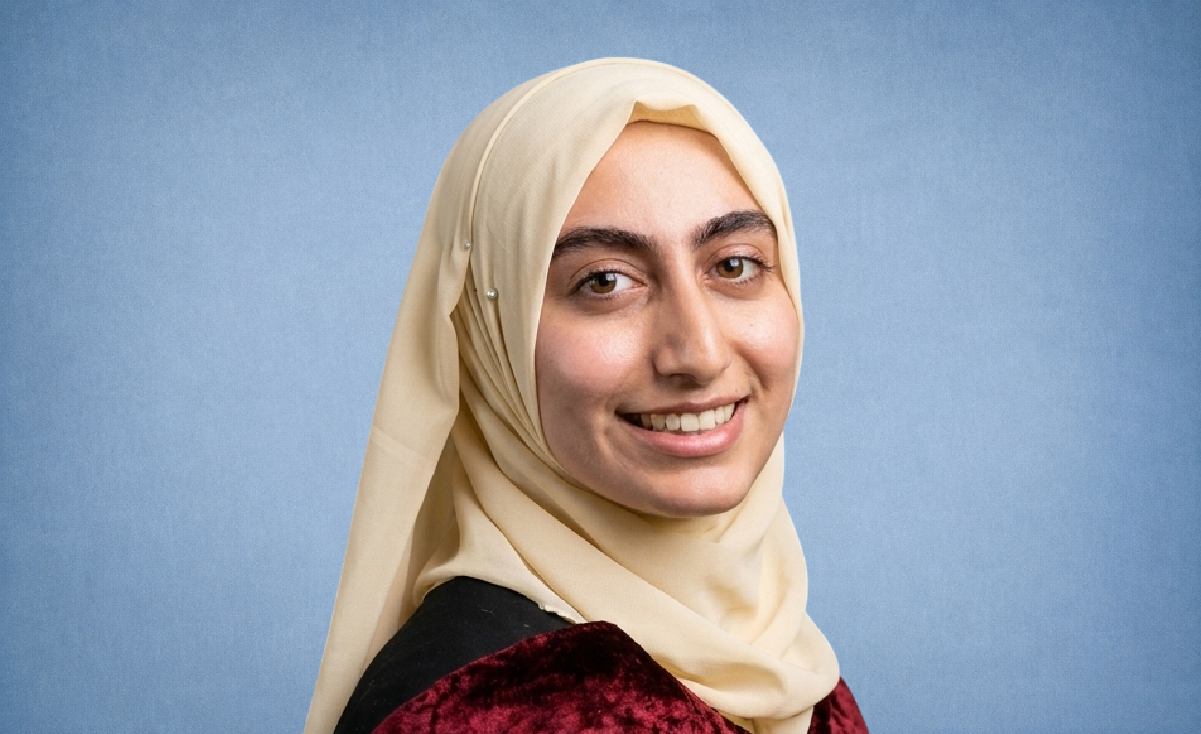
As women entrepreneurs continue to reshape Pakistan’s innovation landscape, building inclusive ecosystems has become essential for sustainable economic growth. In this conversation, Yashal Waseem shares how SheXcelerate is empowering women founders through mentorship, investment readiness, strategic networks, and long-term ecosystem collaboration that extends far beyond startup competitions.
Boardroom: How do you assess Pakistan’s startup ecosystem, particularly for women entrepreneurs?
Yashal Waseem: Pakistan’s startup ecosystem has evolved considerably, but structural gaps remain significant, especially for women. Female participation in the labor force remains relatively low, and women-led startups represent only a small portion of the entrepreneurial landscape. More importantly, a disproportionately limited share of venture funding reaches women entrepreneurs.
The challenge extends beyond capital. Women often lack access to influential networks, visibility, mentorship, and growth-oriented ecosystems. This disconnect inspired the creation of SheXcelerate, which aims to provide women founders with meaningful access to opportunities, platforms, and long-term entrepreneurial support.
Boardroom: What specific barriers make entrepreneurship disproportionately challenging for women in Pakistan?
Yashal Waseem: The barriers are both structural and cultural. Many startup ecosystems and investment spaces remain male-dominated, which can unintentionally exclude women from meaningful participation.
A major challenge lies in informal networking dynamics. Many professional relationships and business opportunities emerge in social environments that are not always inclusive or accessible to women. While men may naturally build networks through after-hours engagements, women often navigate additional social expectations, caregiving responsibilities, and time constraints. As a result, women frequently have to work harder for the same level of access, visibility, and opportunity.
Boardroom: In your view, what fundamental gap does SheXcelerate seek to address?
Yashal Waseem: The core issue is access. Access to funding, access to networks, access to mentorship, and access to platforms where women can confidently present and scale their ideas. Pakistan has witnessed isolated competitions and short-term initiatives, but there are relatively few long-term, ecosystem-driven platforms focused specifically on enabling women founders to grow sustainably. SheXcelerate was designed to bridge this gap by creating a structured pathway for women entrepreneurs to evolve from ideas to investable ventures.
Boardroom: How does SheXcelerate evaluate women-led startups beyond traditional investment metrics?
Yashal Waseem: Traditional indicators such as market opportunity, scalability, and financial projections remain important. However, we believe founder potential deserves equal attention. We evaluate qualities such as resilience, adaptability, problem
understanding, and execution capability. A strong founder with conviction, clarity, and coachability can evolve an imperfect idea into a scalable business. For us, evaluating the founder is just as important as evaluating the business model.
Boardroom: How do you distinguish between a promising startup and a fundable startup?
Yashal Waseem: A fundable startup usually demonstrates scalability, market readiness, and commercial viability. A promising startup, however, may still be in the validation phase but shows strong founder capability and problem-solving potential.
We assess how deeply founders understand customer pain points, whether assumptions have been tested, and how clearly, they articulate the inefficiencies in current market solutions. Ultimately, startups evolve. What matters most is whether the founder possesses the resilience and mindset required to adapt and build over time.
Boardroom: What makes SheXcelerate different from a conventional startup competition?
Yashal Waseem: We were intentional about not becoming another short-term pitch competition where founders present ideas, win recognition, and then disappear from the ecosystem. Our model focuses on long-term sustainability. Beyond pitching opportunities, we connect founders with investors, mentors, corporate stakeholders, media visibility, and professional networks that support sustained growth.
We operate through multiple initiatives, including SheXcelerate Awards, startup workshops, and The Pitch by SheXcelerate which is a pitch competition specifically for women founders. The objective is to build bridges that continue beyond a single event.
Boardroom: Why is mentorship such a central pillar of your platform?
Yashal Waseem: Capital alone is rarely enough to build a successful venture. Founders need guidance, strategic thinking, and emotional resilience throughout their entrepreneurial journey. One of the most meaningful outcomes we have witnessed involved a young entrepreneur who lacked access to mentorship due to personal circumstances. Through our platform, she connected with an experienced entrepreneur who committed to guiding her startup journey personally. For us, this is the real value of ecosystem building creating relationships where experienced leaders actively invest in emerging talent.
Boardroom: What role do visibility and media credibility play in strengthening women-led ventures?
Yashal Waseem: Visibility is critical. Many women-led businesses struggle not because of weak ideas, but because they remain unseen. Media exposure enhances both credibility and confidence. When entrepreneurs gain recognition through interviews, digital platforms, and industry visibility, they begin positioning themselves more confidently within the business ecosystem. This increased visibility often creates a ripple effect, opening doors to partnerships, investor conversations, and stronger market positioning.
Boardroom: Do you see women entrepreneurship primarily as a social cause or an economic agenda?
Yashal Waseem: It must be viewed as an economic agenda. Reducing women entrepreneurship to social empowerment alone underestimates the value women bring to innovation, job creation, and national productivity. Countries cannot unlock their full economic potential if a substantial portion of their population remains underrepresented in business and leadership. For us, diversity is not a symbolic checkbox. It is an economic driver. Supporting women entrepreneurs directly contributes to competitiveness, innovation, and long-term national growth.
Boardroom: Which sectors offer the strongest opportunities for women-led innovation in Pakistan?
Yashal Waseem: Technology-driven sectors naturally present immense opportunity, particularly fintech, e-commerce, digital solutions, and financial inclusion. However, women also possess unique insight into underserved communities and overlooked customer segments. Their lived experiences often enable them to identify market gaps that conventional business models ignore. This ability to solve niche and underserved problems may become one of the strongest sources of innovation in the years ahead.
Boardroom: How important is ecosystem collaboration in enabling startup success?
Yashal Waseem: No founder succeeds in isolation. Startups require capital, mentorship, policy support, market access, media visibility, and corporate partnerships. Unfortunately, many ecosystem stakeholders currently operate independently rather than collaboratively.
Meaningful transformation requires alignment between investors, accelerators, corporations, policymakers, educational institutions, and media platforms. SheXcelerate actively works to connect these stakeholders because sustainable startup success depends on collective effort.
Boardroom: What is your long-term vision for women entrepreneurship in Pakistan?
Yashal Waseem: We envision a future where women entrepreneurs no longer have to work twice as hard simply to be considered investable. The goal is to normalize women-led entrepreneurship so completely that the next generation of girls sees building a company not as an exception, but as a natural career path. Our ambition is not merely to create successful startups. It is to create an ecosystem where women have equal opportunity to innovate, lead, scale businesses, and contribute meaningfully to Pakistan’s economic future. This is not about quotas or symbolic representation. It is about building an entrepreneurial landscape where talent, ambition, and innovation determine success.